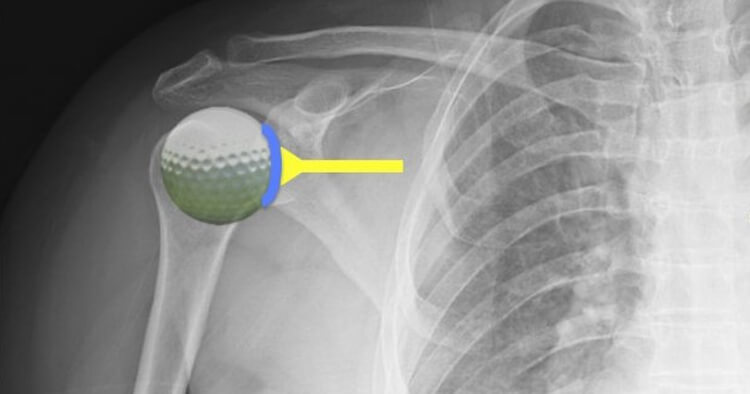
If you have recently suffered a shoulder subluxation, it is advisable you consult a physio to assist in guiding your recovery. Early, structured care is the best defense against ongoing shoulder symptoms and dysfunction.
Category Archives: Injury Rehabilitation and Training
Ankle fractures are the fourth most common type of fracture seen in adults, and most often occur in active adults and the elderly. The term ankle fracture can refer to one or more breaks in any of the bones that comprise the ankle joint, including the tibia, the fibula, or the talus. One of the most widely used systems to classify ankle fractures is the Danis-Weber fracture classification. Understanding this system is essential as safe and effective rehabilitation of the ankle will be directly influenced by the type of fracture diagnosed.
Sinus tarsi syndrome is a relatively uncommon condition but can be a persistent cause of lateral ankle pain when present. The sinus tarsi is a small canal located between the talus and calcaneus bones in the hindfoot, near the outside of the ankle joint. This syndrome typically involves irritation and inflammation within the sinus tarsi, often triggered by trauma such as an ankle sprain, chronic instability, or repetitive loading from side-to-side foot movements. Once painful, the condition can significantly limit a person’s activity levels.
Tibialis posterior tendon dysfunction (PTTD) is a progressive condition affecting the tendon that supports the arch of the foot. It can cause pain, weakness, and a gradual collapse of the arch. Often starting with inflammation and pain, PTTD may progress to tendon elongation or rupture if left untreated. Early recognition and physiotherapy can help slow or reverse symptoms, especially in the mild early stages.
Chronic exertional compartment syndrome is a challenging condition for runners and active individuals. Misdiagnosis is common, but with the right physiotherapy approach, it can be managed successfully. At Sydney Physio Clinic, our experienced running physio team collaborates with podiatrists to deliver a comprehensive and multidisciplinary treatment plan.
Runners put their bodies through repetitive high-impact loading. Whether training for a marathon, tackling trail runs, or maintaining fitness with regular jogs. At Sydney Physio Clinic, we understand the unique demands that running places on the body. Our experienced team provides expert level physiotherapy treatment tailored to runners of all levels. Helping with both injury recovery, performance enhancement, and long-term injury prevention.
Medial tibial stress syndrome is one of the most common overuse injuries seen in runners and impact-based sports. Commonly called shin splints, this condition involves pain along the inner edge of the shinbone and can interfere with running and training if not addressed early.
The Ilio-Tibial Band—commonly referred to as the ITB—is a thick band of fascia (connective tissue) running down the outer side of your thigh. It stretches from the hip to the knee, attaching at the lateral condyle of the tibia. Despite being nicknamed the “runner’s muscle,” the ITB is not a muscle. Instead, it is a long, fibrous structure that receives input from nearby muscles.
Shoulder dislocations are the most common joint dislocation and account for more than 50% of all dislocations treated in hospitals. Although they can initially be very painful and cause a loss of confidence in the joint, with proper treatment and shoulder dislocation physio rehabilitation most people can expect a full recovery and a return to their regular activities.
Kinesiology tape, often referred to as kinesio tape, is a stretchy, cotton-based athletic tape. It’s designed to support muscles and joints without limiting movement. Athletes and physiotherapists use it to help reduce pain, improve circulation, and enhance performance.