Tag Archives: Shoulder pain

Neck Pain Looking Down: Why It Happens

Neck Pain Looking Down: Why It Happens

Many people notice symptoms while working, reading, texting, or commuting. Others feel fine initially but develop increasing discomfort as the day progresses.
At Sydney Physio Clinic in Sydney CBD, we frequently assess neck pain associated with prolonged desk work and screen-based activities.
Fortunately, most cases can be improved by identifying contributing factors and making targeted changes.

Shoulder pain at the gym

Shoulder Pain At The Gym: Common Causes And What To Do

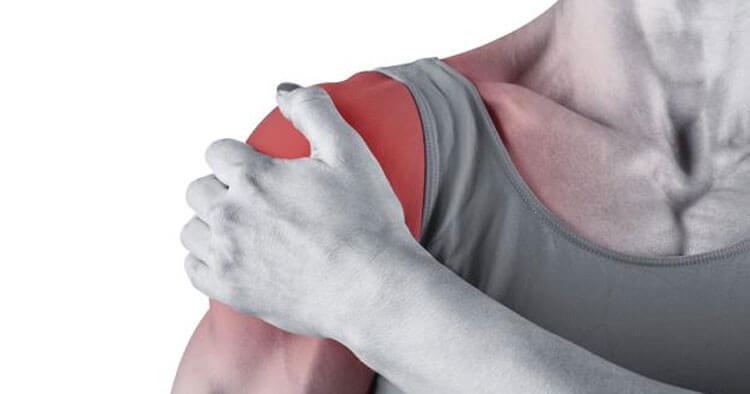
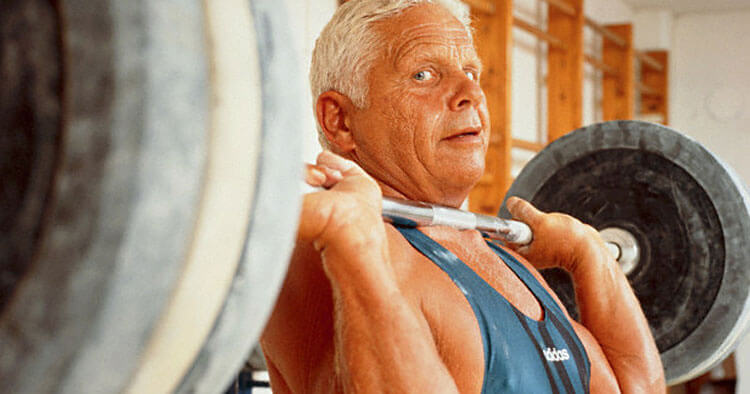
Shoulder pain at gym is a very common issue, especially for people doing upper body training. It often starts as a mild discomfort but can gradually worsen if not managed properly.

Pain Lifting Your Arm To The Side: What It Means

Pain Lifting Your Arm To The Side: What It Means

Pain lifting arm to side is a very common shoulder complaint. Many people notice discomfort when raising their arm out to the side, such as when getting dressed, reaching for something, or doing gym exercises. At Sydney Physio Clinic, this is a pattern we see regularly. While it can feel sharp or limiting, it is usually related to how the shoulder is handling load rather than a serious injury.

Shoulder Clicking And Pain: Should You Be Concerned?

Shoulder Clicking And Pain: Should You Be Concerned?

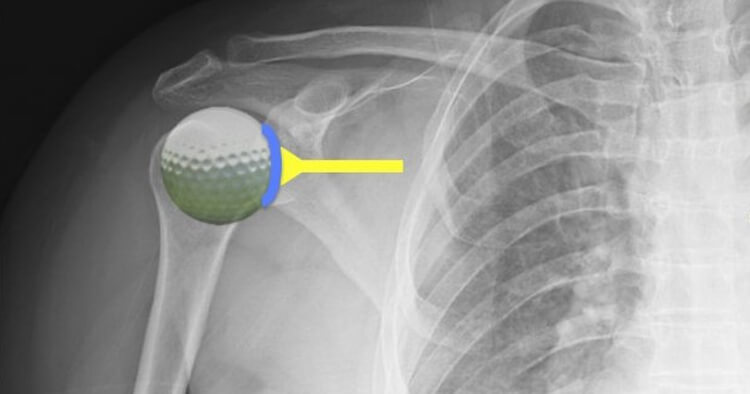
Shoulder clicking and pain is a common combination that often causes concern. Many people notice a clicking, popping, or grinding sensation when moving their shoulder, sometimes alongside discomfort or weakness.
At Sydney Physio Clinic, we frequently assess this type of presentation. In most cases, the clicking itself is not harmful. However, when combined with pain, it is worth understanding what is driving the symptoms.

Shoulder Pain But Full Movement: What Could Be Causing It?

Shoulder Pain But Full Movement: What Could Be Causing It?

Shoulder pain but full movement is a common and often confusing problem. Many people expect that if something is wrong, they should not be able to move their shoulder properly. However, it is very possible to have pain while still having full range of motion.

Shoulder Pain Sleeping On Your Side: What It Means

Shoulder Pain Sleeping On Your Side: What It Means

Shoulder pain sleeping on side is a very common problem. Many people notice they fall asleep comfortably, but wake during the night or early morning with pain in one shoulder. It can make sleep difficult and often leads to concern that something more serious is going on.

Shoulder Pain When Reaching Overhead: Why It Happens

Shoulder Pain When Reaching Overhead: Why It Happens

Shoulder pain reaching overhead is a very common issue, especially in people who work at desks, go to the gym, or play sports. It often shows up when you reach into a cupboard, put on a shirt, or lift your arm above shoulder height. While it can feel sharp or frustrating, it is usually related to how the shoulder is being loaded rather than a serious injury.

Understanding Suprascapular nerve injury

Understanding Suprascapular Nerve Injury

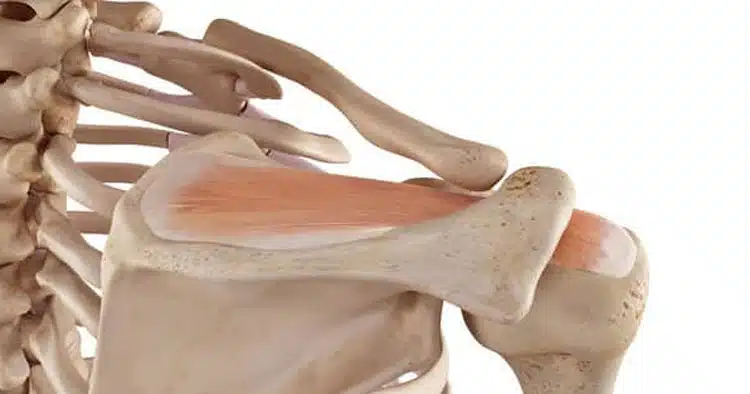
Suprascapular nerve injury is an uncommon but important cause of shoulder pain and weakness. The suprascapular nerve supplies two key shoulder muscles — the supraspinatus and infraspinatus — which help stabilise and rotate the shoulder joint. When this nerve becomes irritated or compressed, it can lead to pain, weakness and reduced shoulder function.

Posture Trainer vs Posture Brace: Which Works Best?

Posture Trainer vs Posture Brace: Which Works Best?

Many people searching for ways to improve posture come across two common types of products: posture trainers and posture braces. Understanding the difference between a posture trainer vs brace can help you choose the most appropriate option for your situation.

Choosing the Best Posture Device

Choosing The Best Posture Device: Brace vs Trainer vs Strengthening Tools

The truth is that different posture devices serve different purposes. Some tools focus on posture awareness, others provide temporary support, while some aim to improve mobility or strengthen the muscles that help maintain upright posture.