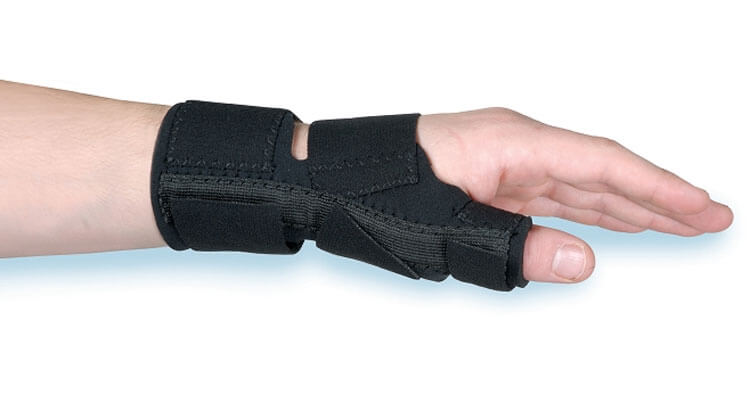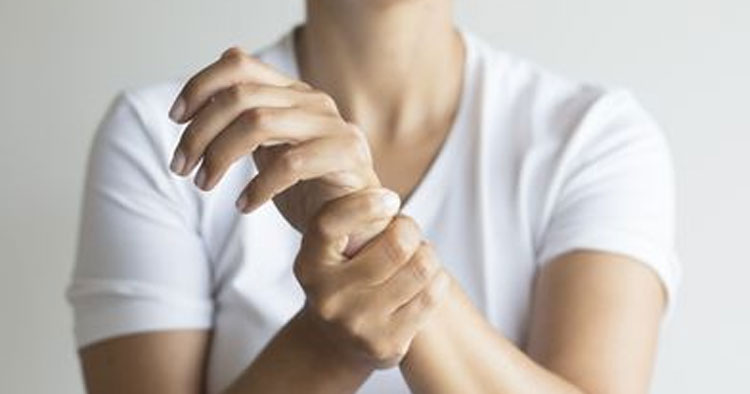
If you have pain around the base of your thumb, you may have come across terms such as thumb arthritis (CMC arthritis) and De Quervain’s tenosynovitis.
Tag Archives: wrist pain
One of the most common questions we hear at Sydney Physio Clinic after a wrist fracture is: “The fracture has healed, so why does my wrist still feel stiff?”
Push ups are one of the most common bodyweight exercises, but they can also be one of the most frustrating when wrist pain develops.
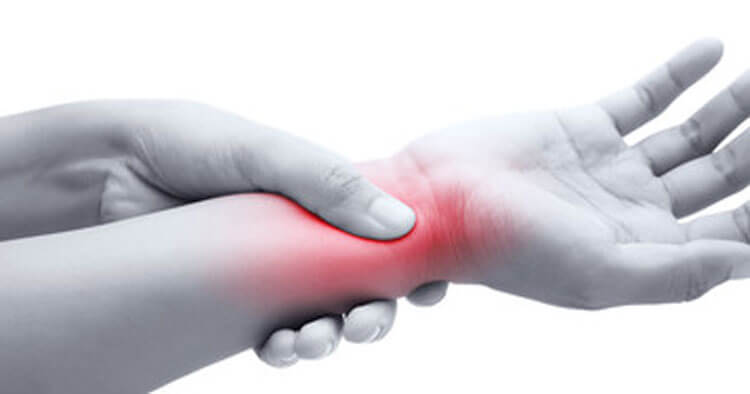
If you have pain on the little finger side of your wrist, simple activities can quickly become frustrating. Lifting weights, opening doors, carrying shopping bags, pushing yourself up from a chair, or even turning a key can suddenly become uncomfortable.
Typing is something many people do for hours every day without giving it much thought. However, when wrist pain develops, even simple work tasks can become frustrating. Some people notice discomfort after a long day at the computer, while others experience symptoms within minutes of starting work.
If you have wrist pain when typing, you are not alone. It is one of the most common wrist complaints seen among office workers.
At Sydney Physio Clinic in Sydney CBD, we regularly assess people whose symptoms are affecting their ability to work comfortably at a computer.
Pain at the base of the thumb can make surprisingly simple tasks feel difficult.
Opening jars, turning keys, carrying shopping bags, lifting children, using a phone, or even gripping a coffee cup can become uncomfortable.
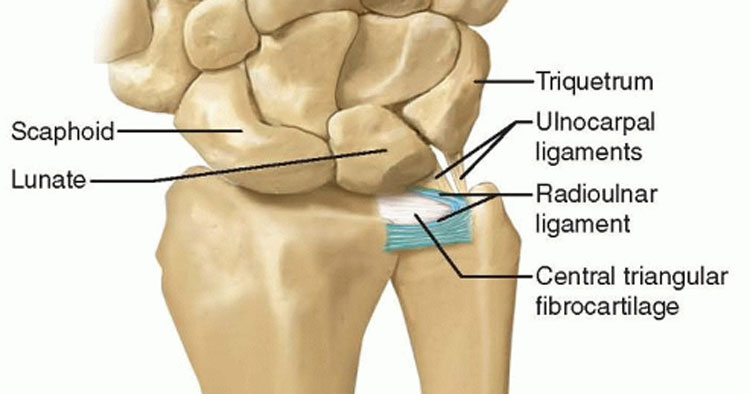
The triangular fibrocartilage complex, commonly referred to as the TFCC, is as its name suggests, a complex structure made up of several interconnected parts. Located on the little finger (ulnar) side of the wrist, the TFCC includes a combination of ligaments, cartilage-like structures, and a tendon sheath. These components work together to support and stabilize the wrist joint.
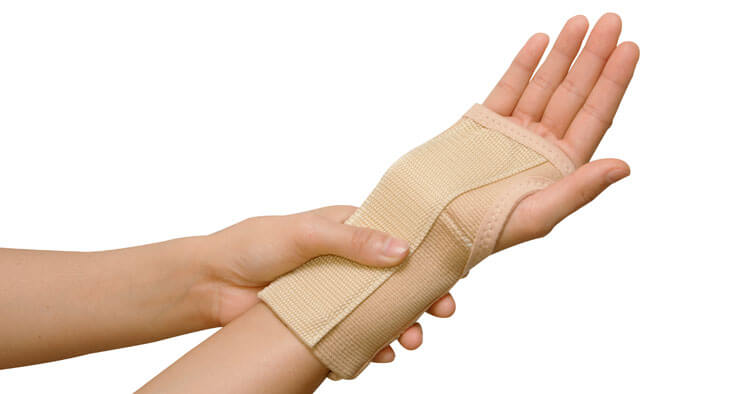
A wrist support with a metal insert is commonly referred to as a wrist brace, or simply a wrist splint. This medical device is designed to immobilize and stabilize the wrist joint, making it a crucial tool in the treatment of several conditions such as carpal tunnel syndrome, wrist sprains, tendonitis, and minor fractures. Incorporating a rigid metal stay or bar, these splints provide a high level of support while allowing for limited finger movement, aiding both comfort and functionality during recovery.
The triangular fibrocartilage complex, or TFCC, is a structure located on the little finger side of the wrist. It plays a vital role in providing stability and cushioning between the forearm bones and the wrist joint. Injuries to this area are quite common, especially among athletes, manual laborers, and individuals who frequently perform repetitive wrist movements or experience trauma. One of the most commonly recommended non-surgical treatments for TFCC injuries is the use of a TFCC brace. This specific type of wrist brace offers support, helps reduce pain, and unloads the TFCC to assist in the healing process.
Non-Surgical Treatment For TFCC Tears Appropriate treatment approaches for managing symptoms of TFCC tears depends on both the stage and severity of injury. Assessment by an orthopaedic surgeon, with regard to the appropriateness of surgical intervention is useful. Because traumatic tears and degenerative tears are frequently managed differently. Many traumatic tears are repairable. Whereas degenerative… Read More >
- 1
- 2