

Jun
Injury Rehabilitation and Training
Nonsteroidal Anti-Inflammatories In Australia
Nonsteroidal Anti-Inflammatories Used And Approved In Australia?
In Australia nonsteroidal anti-inflammatories are both prescription and over-the-counter medicines. The below is a brief list of some examples of NSAIDs available here from a pharmacy that may be over the counter or require a prescription from your doctor:
- Acetylsalicylic acid: More commonly known as Aspirin. Aspirin will inhibit the clotting of blood and in high risk patients is used to prevent blood clots, strokes and heart attacks. Asprin is a unique nonsteroidal anti-inflammatories, not only because it inhibits the clotting of blood for a prolonged time (days rather than hours). It is not commonly used in treating musculoskeletal inflammatory conditions.
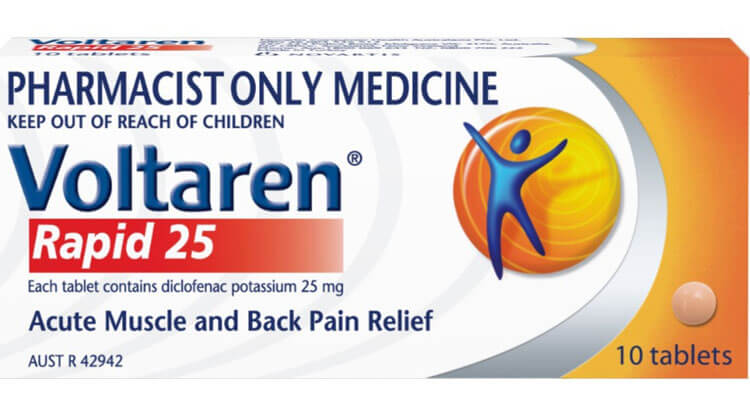
- Diclofenac: Known as Voltaren and Fenac.
- Ibuprofen: Known as Neurophen or Advil.
- Indomethacin: Known as Indocid.
- Naproxen: Known as Anaprox, Naprosyn and Aleve.
- Celecoxib: Know as Celebrex.
What Are The Differences Between The NSAIDs?
Although nonsteroidal anti-inflammatories all have a similar mechanism of action, patients who do not respond to one may respond to another. Individual nonsteroidal anti-inflammatories vary in:
- Their duration of action (how long they work for).
- Potency.
- How they are eliminated from the body.
- How strongly they inhibit COX-1 versus COX-2 enzymes.
- Their side effects.
Find Out More About Nonsteroidal Anti-Inflammatories
If you have been advised to use or prescribed non-steroidal anti-inflammatories from your doctor or other medical practitioner you can find out more by:
- Talking to your prescribing doctor.
- If you are buying nonsteroidal anti-inflammatories over the counter then always talk to your pharmacist and get advice regarding which one is your safest choice. Making sure to divulge any pertinent information such as any medicines, herbs or dietary supplements you are taking.
- Reading the provided consumer medicine information. Inside the box of the medication you purchase will be information relating to possible side effects from taking the medicine and what to do if you experience them.
- Calling the ‘Medicines Line’. Calling 1300 MEDICINE or 1300 633 424 provides information on complementary medicines such as herbal or natural medicines including vitamins and minerals, as well as information for consumers on prescription and over-the-counter medicines.
Please note: Sydney Physiotherapists can not prescribe any medications including non-steroidal anti-inflammatories.
Alternatives To Nonsteroidal Anti-Inflammatory Drugs
Some basic questions to consider with nonsteroidal anti-inflammatories are…
- Why are you taking it?
- How long are you supposed to take it for?
- If pain has not settled within a week, what other treatments should be considered?
Nonsteroidal anti-inflammatories should be more closely targeted to genuine inflammatory conditions – the classic signs inflammatory conditions include swelling, redness and warmth of the affected tissue.
Some Non-Drug Strategies For Managing Pain And Inflammation Include:
- Altering the way the painful body part is used (where possible).
- Optimising sleep, diet and exercise.
- Omega 3 fatty acid supplements such as fish oil or flaxseed oil.
- Pharmaceutical alternatives such as analgesics like paracetmol
- Physiotherapy
Disclaimer: Sydney Physio Clinic provides this information as an educational service and is not intended to serve as medical advice. Anyone seeking specific advice or assistance on Nonsteroidal Anti-Inflammatories In Australia should consult his or her general practitioner, sports medicine specialist, orthopedic surgeon, pharmacist or otherwise appropriately skilled practitioner.
