Relieve Tennis Elbow Pain with the Tennis Elbow Brace
Experience Ultimate Pain Relief
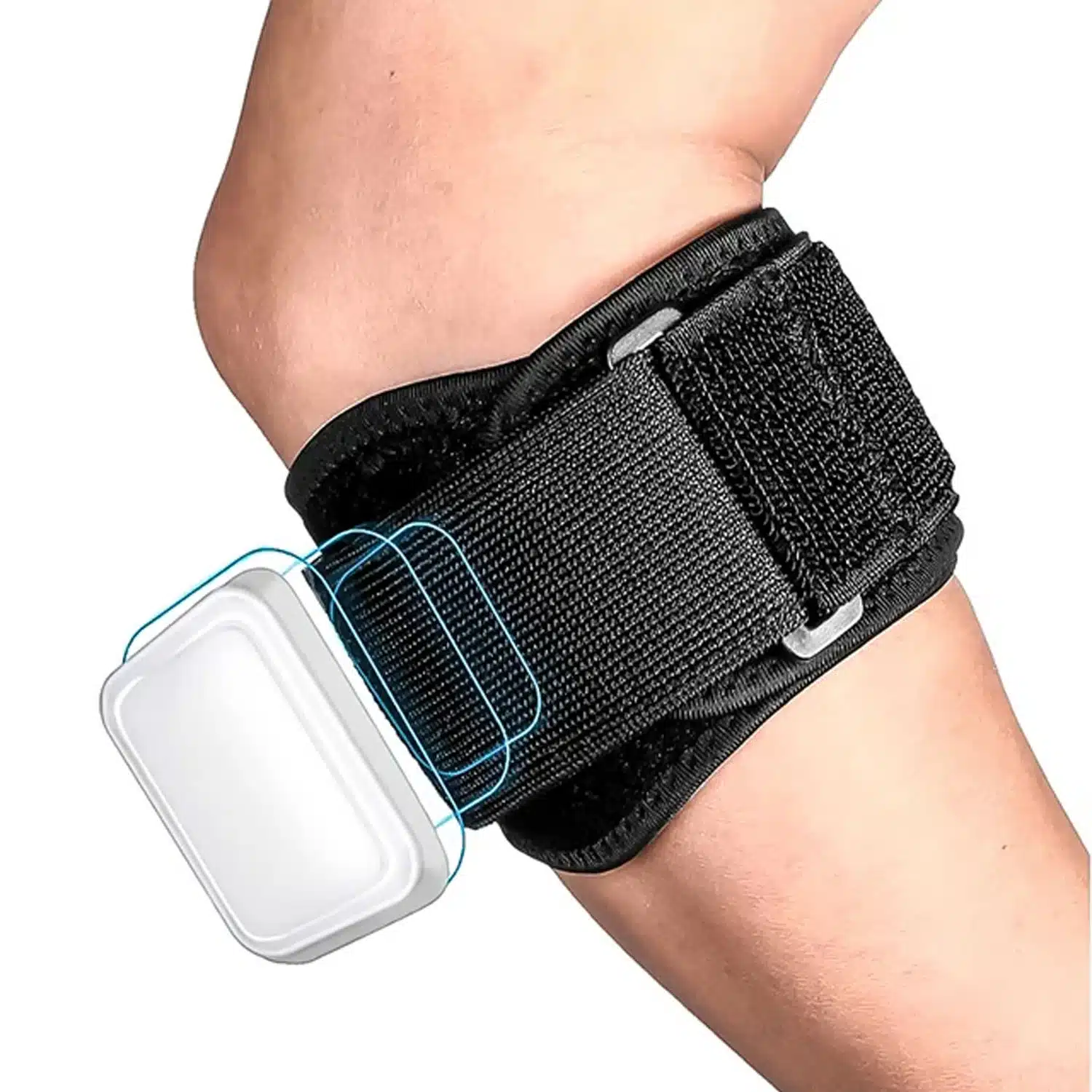
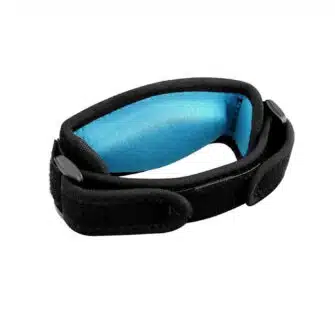
Discover pain relief with the a tennis elbow strap counter force support. This elbow brace is your ultimate solution for tennis elbow, golfers elbow and elbow tendinopathy discomfort. The freedom this brace allows is enabling you to go about your day with ease, leaving the limitations that tennis elbow pain has on your daily living behind.
Targeted Gel Pad Technology
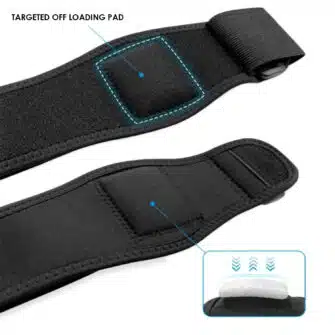
The gel pad in this tennis elbow strap targets and delivers gentle pressure to the elbow. This targeted pressure helps deflect pain and discomfort caused by tennis elbow away from the site of injury. Whether you’re typing away at your desk, or engaging in regular sporting activities, the Tennis Elbow Brace ensures you’re supported every step of the way.
Stay Active, Stay Confident
Don’t let tennis elbow hold you back, regain your confidence with a tennis elbow strap. A brace engineered to provide targeted support to the tendons affected by tennis elbow and golfers elbow. This strap lets you enjoy your favorite activities helping manage the discomfort. Whether you’re at they gym, on the court or golf course, or simply tackling everyday tasks. A tennis elbow strap allows you to push your limits and live life to the fullest.
Tennis Elbow Support is used to treat or prevent:
Size & Measurement of the Tennis Elbow Support:
- Adjustable elbow brace support. One size fits all.
Unlock the Advantages Of Wearing An Elbow Support Brace
Precise Gel Pad Compression:
Say farewell to elbow pain, as the surrounding muscles receive relief without compromising your range of motion.
Effortless Application:
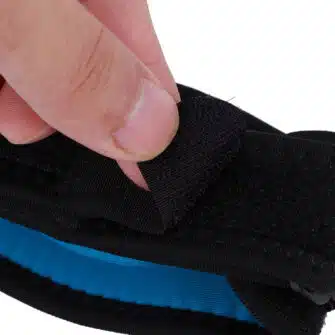
Experience simplicity with a single Velcro strap for hassle-free brace application. Typically the Gel pad sits just distal (lower down) to the site of pain, with the brace positioned around 1-2 finger widths from the crease in the elbow.
Does a tennis elbow strap work?
In conclusion, the wearing of a tennis elbow brace can be a useful tool in the treatment of golfers and tennis elbow issues. It helps reduce pain by off loading the painful structures. It is the ideal approach with regard to supports when looking to manage tennis elbow pain. However, it is important the support is worn as designed, so to avoid irritation and maximize the impact. Worn to tight, loose or in the wrong location can reduce any effectiveness of the brace, and results with understandably vary.